

Vita Load Navigator
The Vita Load Navigator provides remote rotational control and assisted load stabilisation for suspended loads. It helps lift teams manage load orientation while reducing direct manual intervention close to the load, subject to the approved lift plan, rigging and site controls.
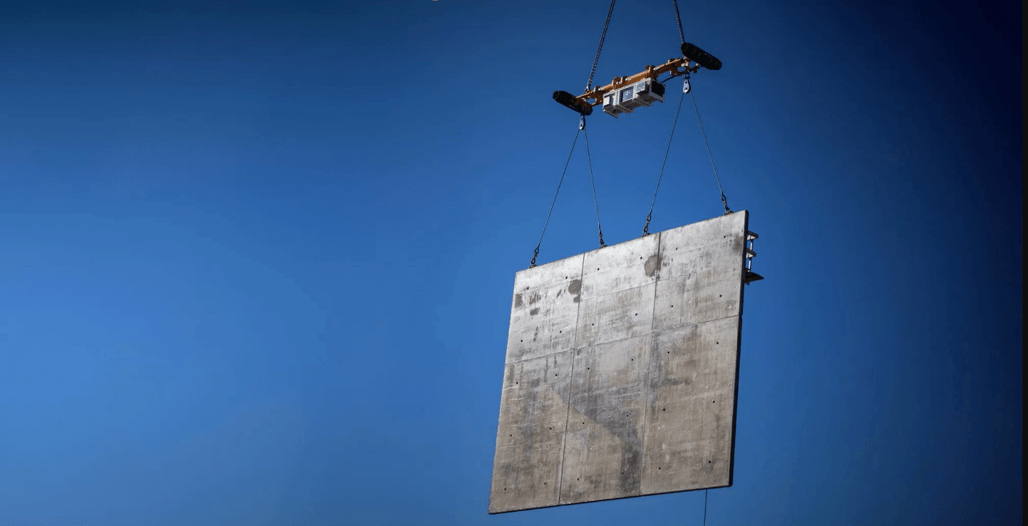
Reduce Tagline Dependence. Improve Load Control.
Conventional suspended-load control can place workers near swing paths, pinch points and line-of-fire hazards. For suitable lift phases, VLN adds remote rotational input and active heading stabilisation so the load can be managed from a more controlled operating position.
The system can help reduce direct manual intervention and support steadier placement. It does not replace lift planning, exclusion zones, authorised rigging procedures or project-specific engineering controls.
Reduced line-of-fire exposure
Helps reduce the need for personnel to pull or restrain the suspended load from close range.
Controlled load orientation
Provides commanded rotation and assisted heading control during appropriate phases of the lift.
More repeatable placement
Supports consistent orientation and a more controlled approach to repeated installation tasks.
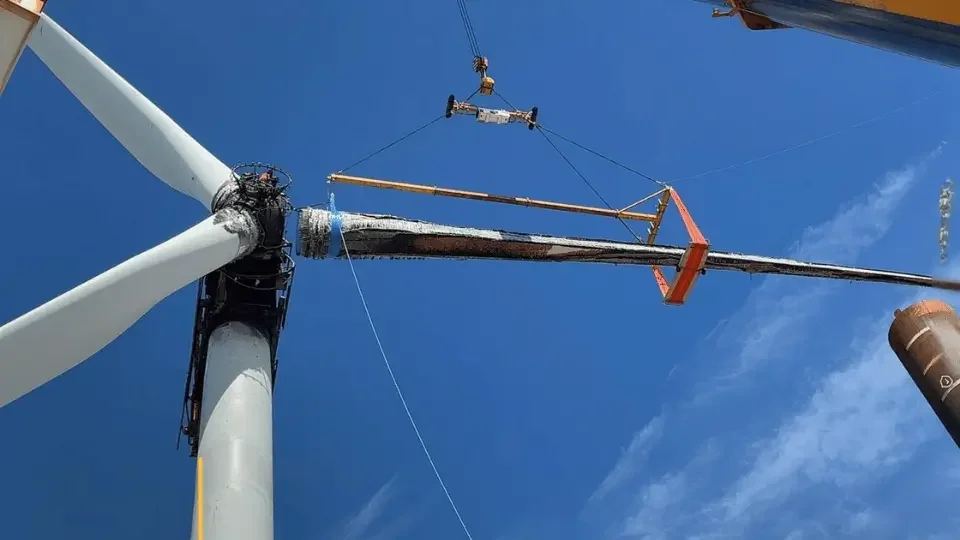
Practical Control for Planned Lifting Operations
VLN is designed to assist lift teams where load rotation, access constraints, inertia or environmental effects make manual control more difficult.
Reduced Manual Load Intervention
Helps reduce direct pulling, steering and restraining of suspended loads during suitable lift phases.
Improved Rotational Control
Supports commanded clockwise and counter-clockwise rotation from the control pendant.
More Repeatable Positioning
Can improve consistency when loads need to approach a planned orientation or repeated placement point.
Support for Controlled Exclusion Zones
Designed to assist lift methodologies that keep personnel away from the suspended load and load path.
Operational outcomes remain subject to load characteristics, rigging, crane capacity, environmental conditions, lift planning and authorised site procedures.
Where VLN May Be Considered
VLN may support planned lifts that require controlled orientation of large, awkward or high-inertia suspended loads.
Precast Concrete Elements
Panels, beams and other precast elements requiring a controlled approach and planned orientation.
Structural Steel
Columns, trusses, frames and members where rotational control can support alignment.
Modular Assemblies
Modules and prefabricated assemblies with defined pick, travel and placement orientations.
Façade and Glazing Elements
Large façade components or glazing elements subject to project-specific handling controls.
Mechanical or Plant Components
Equipment and plant items requiring managed rotation around access or installation constraints.
Long, Awkward or High-Inertia Loads
Loads whose geometry or mass distribution can make manual orientation difficult.
Controlled Rotational Input for Demanding Loads
The VLN uses electrically powered thrusters and assisted heading control to rotate, stabilise and hold the orientation of a suspended load. Performance depends on the selected model, beam configuration, load inertia, projected area, rigging geometry and operating conditions.
VLN must be assessed as part of the lift methodology. It does not increase crane capacity, override manufacturer limits or permit lifting outside approved project wind limits.
- Rated Capacity
- Up to 40 tonnes, configuration dependent
- Control Pendant Range
- Up to 182 m line-of-sight
- Heading-Control Accuracy
- ±1° with GPS fix, subject to operating conditions
- Power System
- LiFePO4 battery system
- Application Profile
- High-inertia and wind-sensitive loads, subject to suitability review
Specifications may vary by model, configuration, load characteristics and operating conditions. Confirm the applicable technical requirements with Erne Lifting before deployment.
Remotely Operated with Assisted Control
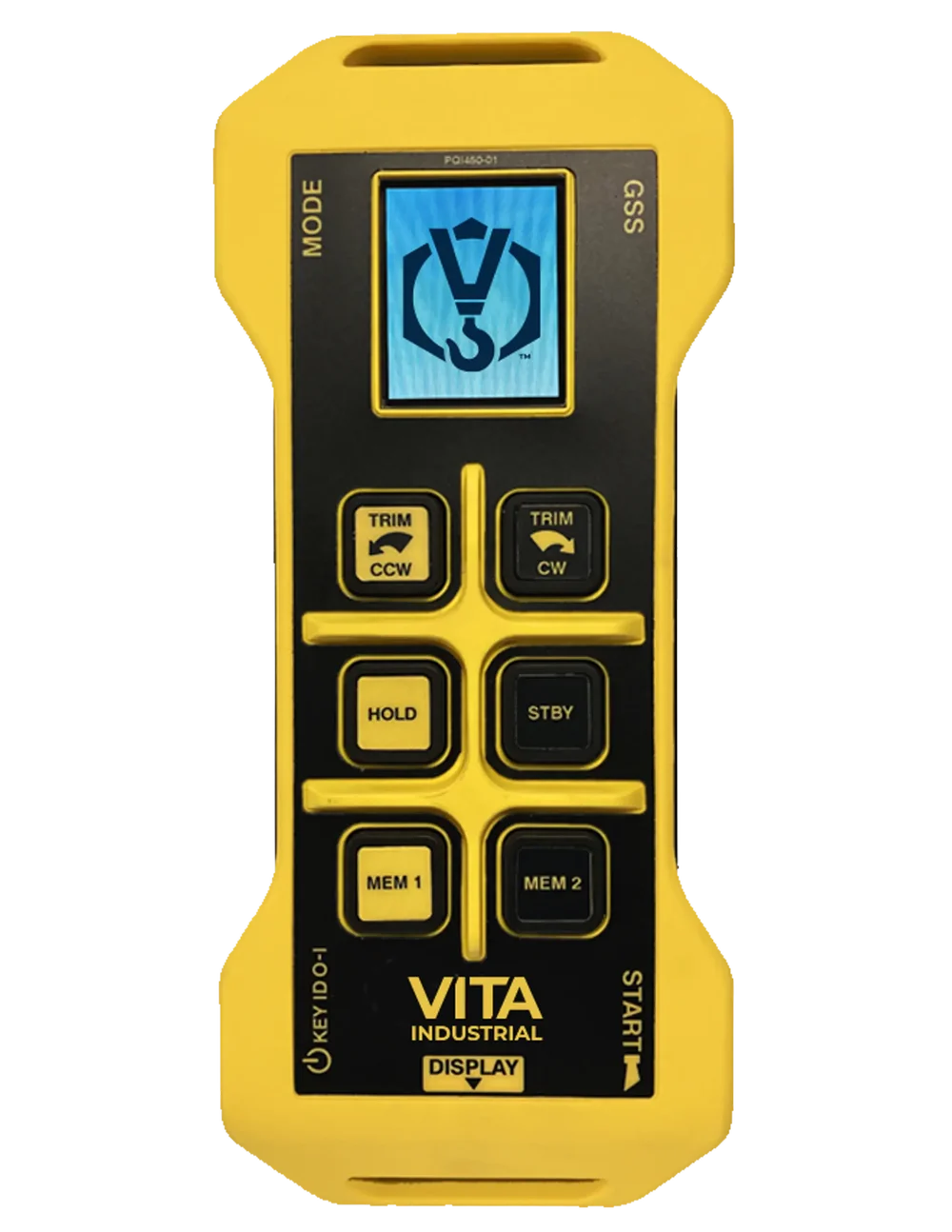
The VLN control pendant allows an authorised operator to command rotation and assisted heading control from a suitable line-of-sight position. The operator remains responsible for monitoring the load, lift conditions and system feedback throughout the operation.
Commanded Rotation
Apply clockwise or counter-clockwise rotational input.
Position Hold
Use assisted heading control to maintain a selected orientation.
Position Memory
Store and recall selected load orientations where operating conditions permit.
Variable Thrust
Adjust control response to suit the planned load and lift conditions.
Telemetry
Monitor available system feedback through the pendant display.
Battery Status
Review battery state of charge during line-of-sight operation.
Local Support from Assessment to Operation
Erne Lifting is the Australian contact for VLN product enquiries, site trials, deployment coordination, training and practical technical support.
Site Assessment and Trials
- Initial project and lift-use review
- Identification of suitable trial applications
- Coordination of a controlled site demonstration or trial
- Review of site access and operational requirements
Installation and Commissioning
- Equipment delivery coordination
- Initial setup
- Commissioning support
- Integration into the agreed lift methodology
Training
- Operator familiarisation
- Project-team training
- Refresher training
- Practical operating guidance
Technical Support
- Australian contact point
- Practical troubleshooting and product support
- Local spare-parts coordination
- Planned inspection and maintenance support
A Clear Path from Enquiry to Site Support
Each proposed application is reviewed before trial or deployment to confirm that the system is appropriate for the planned lift.
-
01
Discuss the Lift
Review the load, project conditions, lift sequence and operational objective.
-
02
Confirm Suitability
Assess the proposed application, rigging interface and deployment requirements.
-
03
Trial and Plan
Conduct an agreed demonstration or controlled site trial and incorporate the system into the lift methodology.
-
04
Deploy and Support
Coordinate delivery, training, commissioning and ongoing support.
Specifications, Training and Project Enquiries
Use the links below to review product information or discuss a potential VLN application with Erne Lifting.
VLN Planning and Deployment
What does the Vita Load Navigator do?
VLN provides remotely commanded rotation and assisted heading stabilisation for suspended loads. It is used to help manage load orientation while reducing direct manual intervention close to the load.
Does VLN completely replace taglines?
No. VLN can help reduce tagline dependence during suitable lift phases, but the required load-control method must be determined through lift planning, risk assessment, rigging procedures and site controls.
What types of loads can VLN support?
Typical applications may include precast elements, structural steel, modular assemblies, façade or glazing elements, plant components and long or high-inertia loads. Suitability depends on the load, rigging, crane, environment and lift methodology.
Can Erne Lifting arrange a site trial?
Erne Lifting can review the proposed application and, where suitable, coordinate an agreed demonstration or controlled site trial.
Is operator training available?
Yes. Erne Lifting can discuss operator familiarisation, project-team training, refresher training and practical operating guidance. View VLN training options.
What support is available in Australia?
Erne Lifting provides an Australian contact point for product enquiries, deployment coordination, practical troubleshooting, spare-parts coordination, training and planned inspection or maintenance support.
Does VLN change the crane or project wind limit?
No. VLN does not override crane manufacturer limits, engineered lift plans, project procedures or regulatory requirements. Lifting remains subject to the applicable approved limits, environmental criteria and site controls.
Plan Your Next VLN Trial
Erne Lifting can discuss project suitability, load characteristics, site trials, specifications, training, deployment and ongoing support for your planned lifting operation.